Task Description:
We were asked to first create a moodboard based on “Dave Smith’s” user persona (see below) and then create two of our own user personas based on the target audience we chose for Assessment 2.
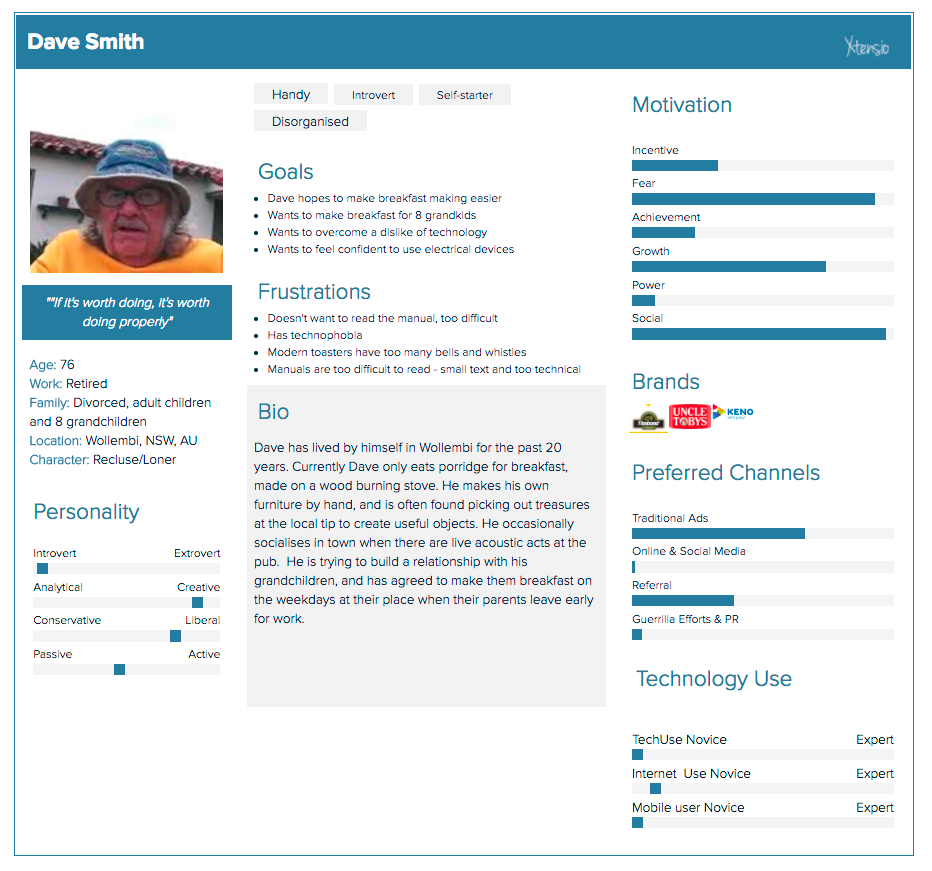

We were asked to first create a moodboard based on “Dave Smith’s” user persona (see below) and then create two of our own user personas based on the target audience we chose for Assessment 2.
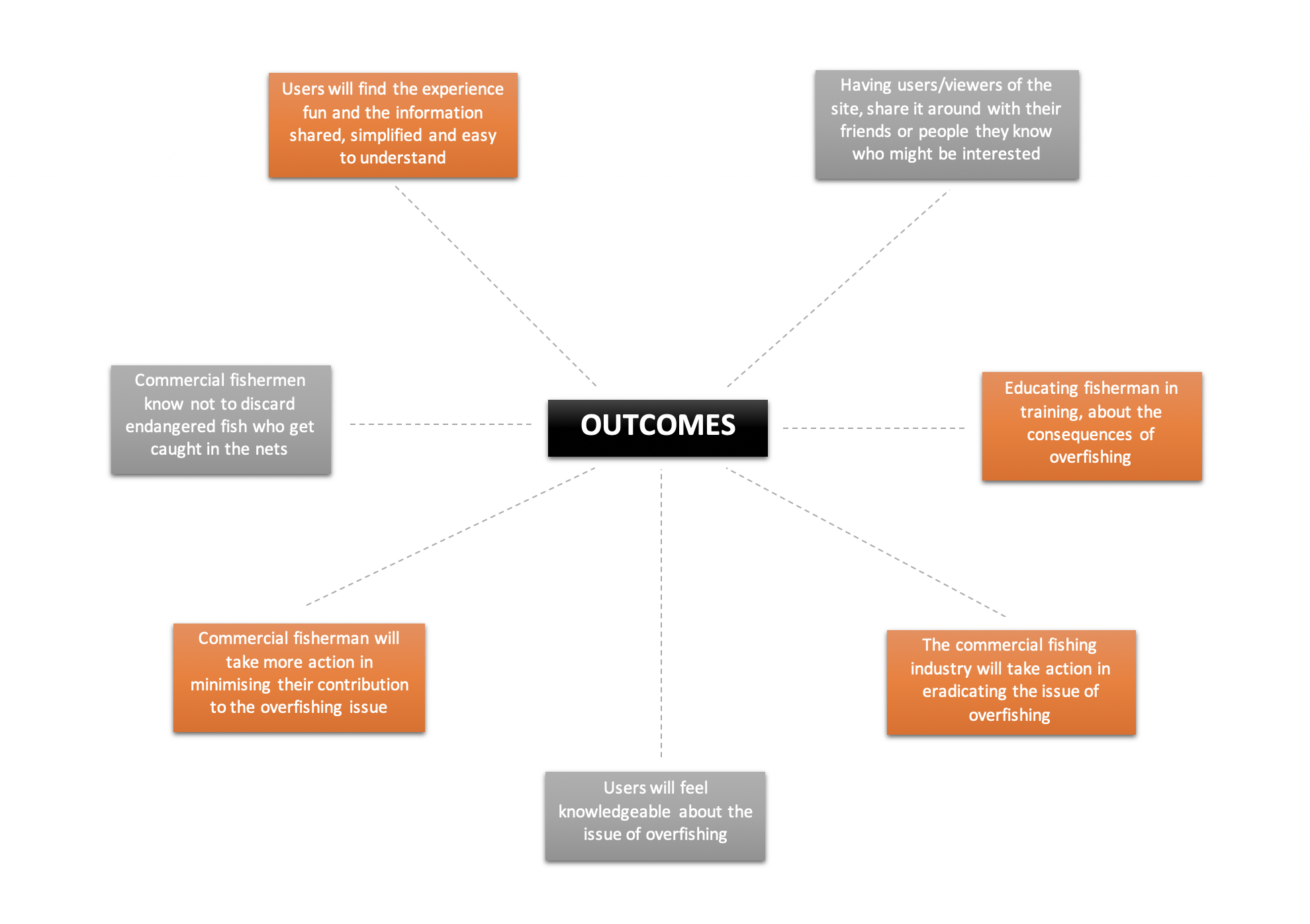
We were asked to come up with 10 different outcomes for our interactive, mind map it, and have a peer choose their favourite 3 and why.
The image below refers to how our working memory affects our ability to efficiently carry out instructions. The “Before” image shows a chunk of text on the left hand side providing steps for the viewer to follow, paired with a diagram on the right with letter labelled parts that blend in with aspects of the illustration. These labels also have a key of reference located elsewhere on the manual, making this extremely difficult for the reader to retain and execute. The “After” image however, portrays the redesigned manual, where the steps have been summarised and the diagram is larger and labelled properly, creating an easy experience for the reader.
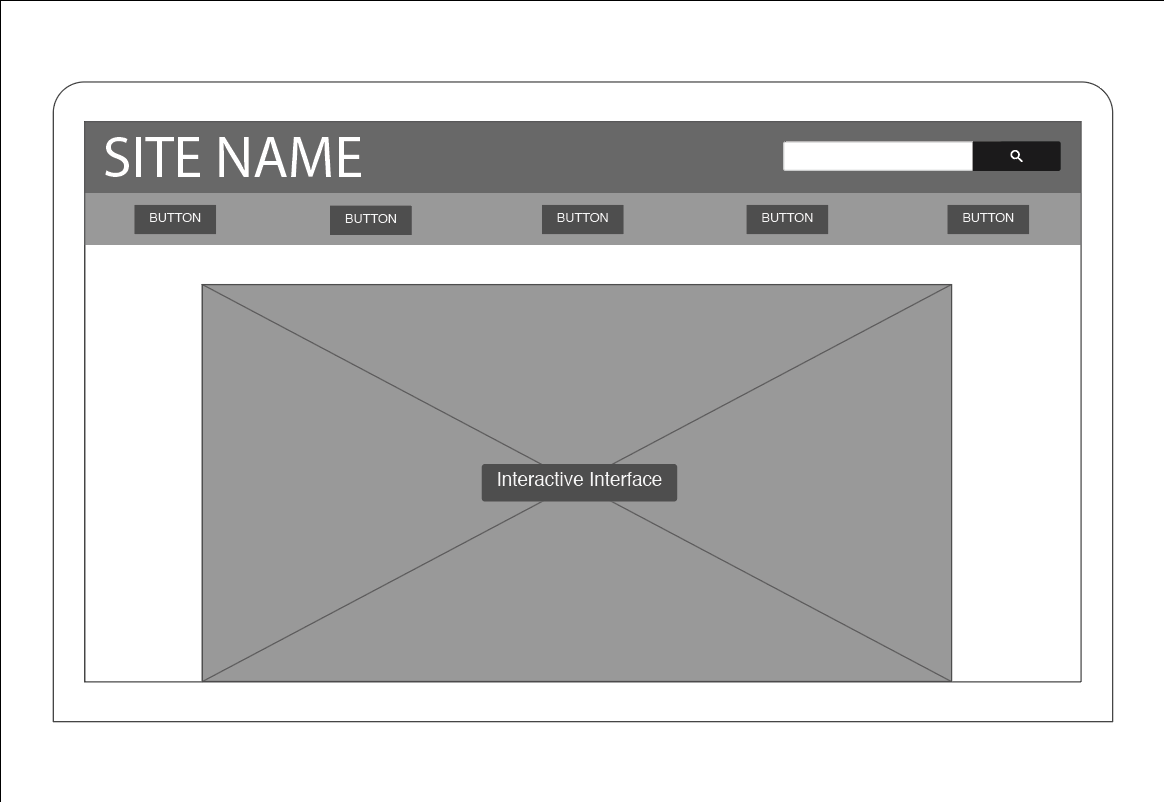
Continue reading “Week 4 – Instructional Design”We were asked to implement our user interactive into a hypothetical website about toast and demonstrate the interactions the user would have within the site demonstrated by change between two images. We had to create a wireframe of the site and then refine it from there.
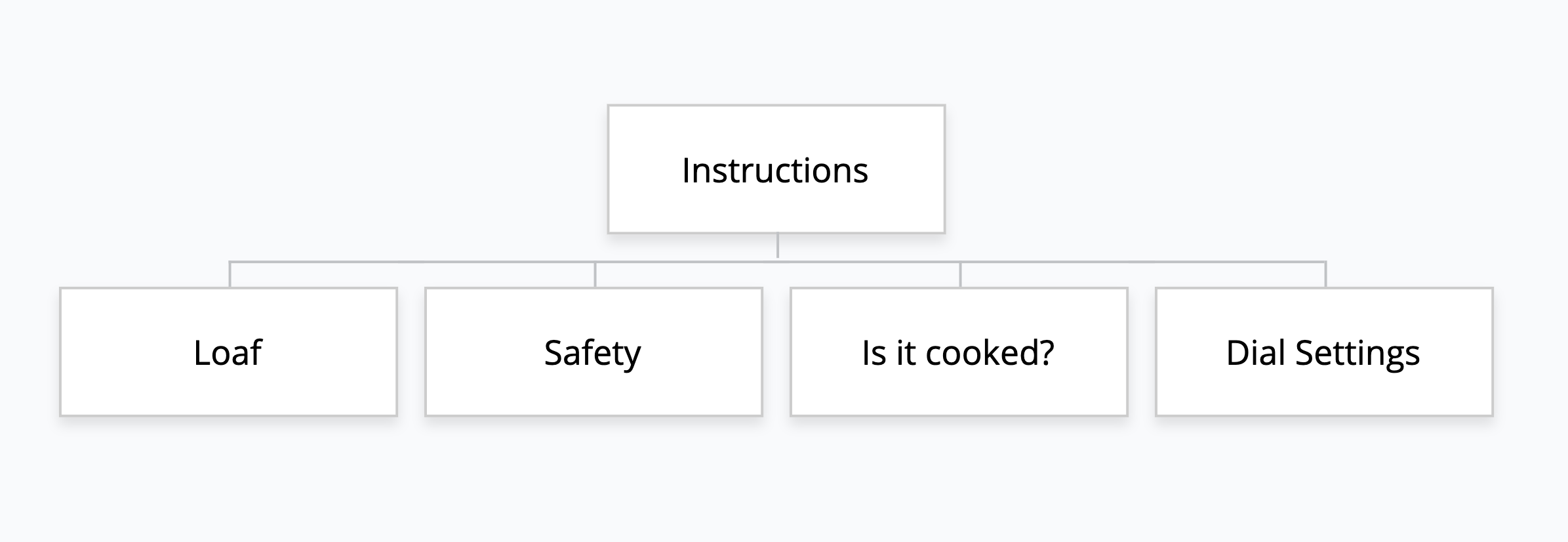
The Instructions page will act as the home page/landing page as it serves as the main purpose of the site. The other tabs that branch off from this are all extras that might need to be addressed separately on their own page such as the safety aspects behind making toast or if you’re unsure of what cooked toast looks like (is it cooked?).
For my interface sketch, I have chosen to have my interface within the “Safety” page as it’s based on the safety protocols enacted when making toast.
Continue reading “Hypothetical Toast Website”We were asked to review each other’s project ideas in groups of three and provide opinions on the positives and negatives while offering useful suggestions.
To create an instructional interactive website that educates users about the cause and effect overfishing has on the marine environment (areas include decline in commercial/non commercial species’ population, unbalanced ecosystem & fishing industry) for adults ranging from the ages of 20-40. This would be done via an interactive that showcases a simulated marine environment where users can engage by clicking any section that represent a key area overfishing affects, prompting a pop-up that provides an in-depth explanation about said area, for e.g. clicking on the boat will prompt a pop up explaining how overfishing effects the fishing industry or clicking on the net below the boat would prompt a pop-up informing users about commercial and non-commercial species’ population/treatment.
Continue reading “Assessment 2 – Peer Feedback”During Week one’s studio session, we were tasked with creating a detailed step by step instructional process on how to make toast and to then map out a flowchart based on these steps. We did this to grasp the concept of Interactive design and how the interactions work and the context behind them.

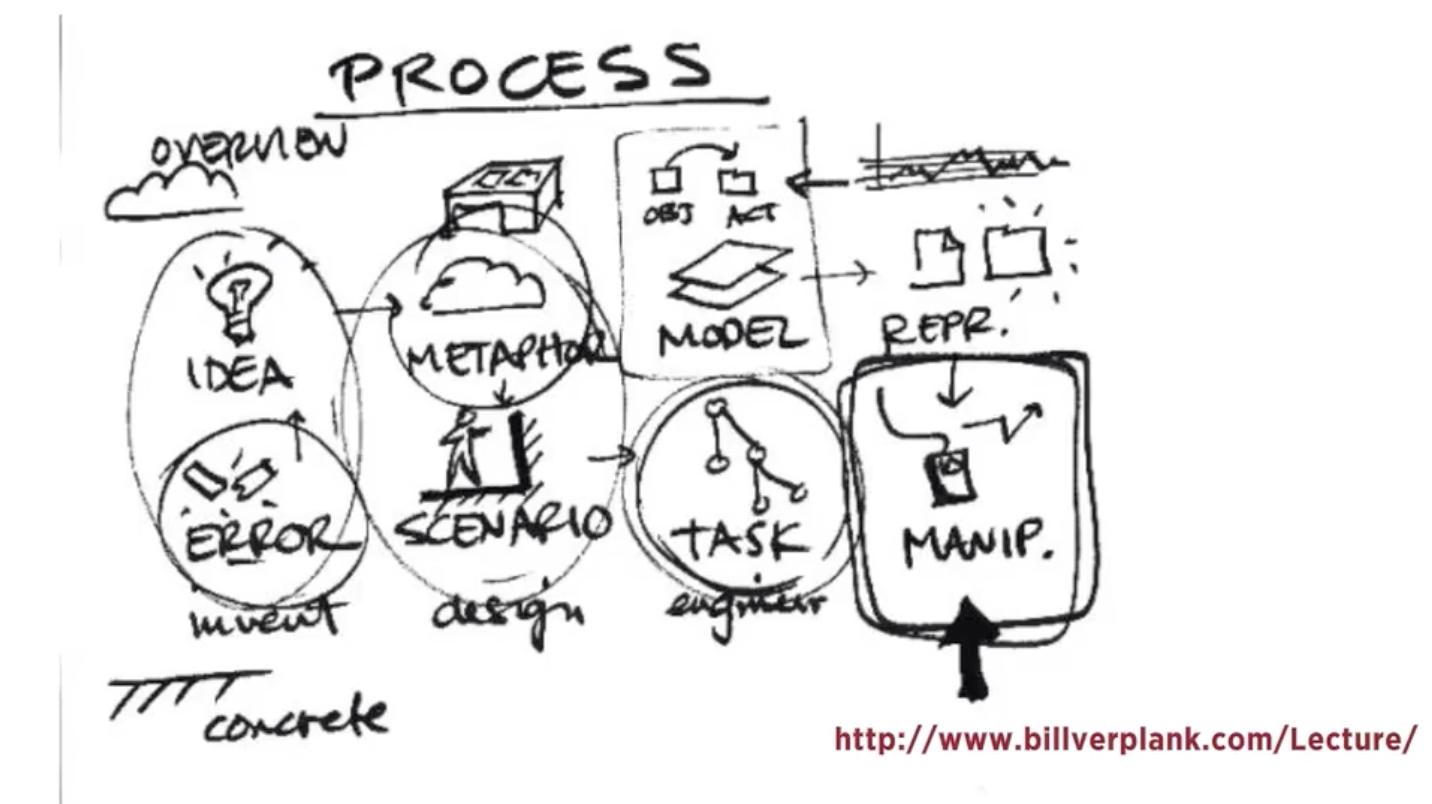
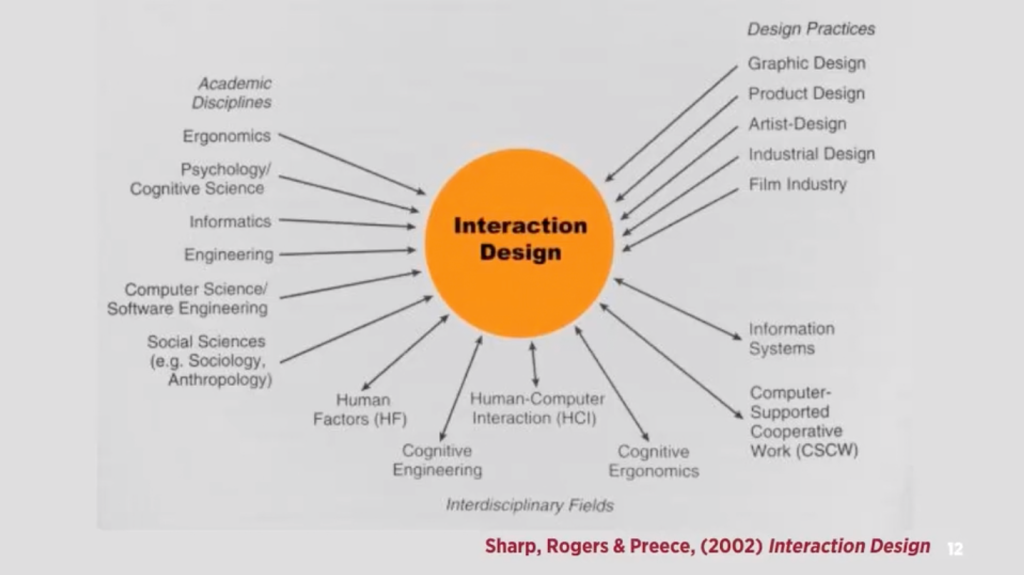
Week one’s lecture pod provided a brief introduction into the field of Interaction Design by defining what it is alongside an explanation of what other types of design and design principles are at play within this field. Bill Verplank’s video clip provided some more insight into Interaction Design by explaining the three key questions that Interactive designers get asked frequently and how this affects the Interactive designer’s approach to their work. Gillian Crampton’s interview went a bit more in depth with this topic by tying in the mindset created by the three frequently asked questions with real life examples of Interaction Design and how people react to it. Experience Design was also touched upon through a flow chart explaining how Data becomes Wisdom and how this philosophy relates to the approach of Interaction Design.
 Ethan's Blog